
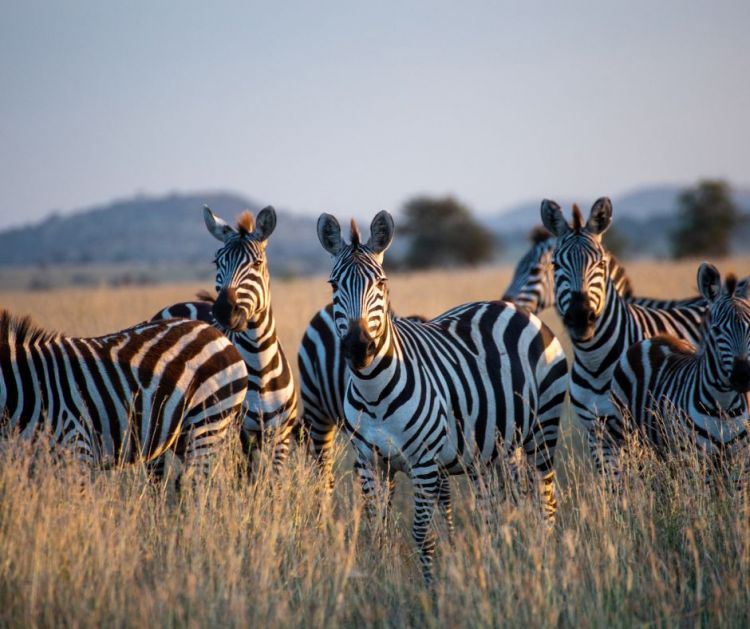
A trip to Tanzania offers the chance to witness Africa's most iconic savanna wildlife, immerse yourself in vibrant local cultures, and discover how the region's tribes have lived for centuries.
Since you will inevitably spend a great deal of time outdoors, knowing the best time to visit Tanzania is key to avoiding uncomfortable weather conditions. It is also worth checking which vaccinations you need for Tanzania to make sure you are fully protected before you go.
Before traveling, remember to apply for your Tanzania visa online, a mandatory requirement for foreign tourists.
Best Time to Visit Tanzania: Climate Overview
There is no single best time to visit Tanzania. It is one of those fortunate countries that enjoys relatively good weather year-round, without extreme conditions. However, given its vast size, climate can vary significantly between regions.
Tanzania has three main climate zones: humid subtropical along the coast, hot desert in the interior, and cool and humid in the mountainous areas.
Humid Subtropical Climate
Tanzania's coastline has a warm and humid climate. While rain can fall at any time of year, December through February is generally the wettest period in this region and may not be the most comfortable time to visit.
Hot Desert Climate
The interior of Tanzania features a hot, arid climate with very little rainfall. As an extremely dry and hot region, it supports limited flora and fauna compared to other parts of the country.
Mountain Climate
Travel to western Tanzania and you will find a mountainous region with a cool, rainy climate and frequent cloud cover throughout the year.
Tanzania's Seasons at a Glance
- The masika season brings the long rains, running from mid-March through May, coinciding with spring.
- From May to October, Tanzania experiences its dry and cool season.
- June through August is winter. September marks the start of spring, which lasts until November.
- In November, the short rainy season known as vuli begins and lasts until mid-January.
- November through March is summer.
Keep in mind that these are general patterns. Regional differences apply. Higher-altitude areas tend to be cold year-round, particularly in the mornings and evenings.
Best Time to Visit Tanzania Month by Month
- January to March: This is the short dry season in northern Tanzania and along the coast, with sunny, hot days. February is the hottest month of the year, so come prepared for intense sun and high temperatures. Not the best time if you are sensitive to heat.
- March to May: The masika long rains arrive, but that does not mean you should avoid Tanzania altogether. In fact, this can be one of the most rewarding times to visit: landscapes turn lush and green, and by May the rains have largely subsided.
- June to October: This is the long dry season and widely considered the best time to visit Tanzania. Expect sunny days, fresh temperatures, and excellent wildlife viewing conditions. Temperatures begin to rise again in October but remain comfortable.
- November and December: The vuli short rains return, bringing hot temperatures that can reach or exceed 30°C (86°F). Showers are usually brief but frequent.

Festivals and Events: Another Reason to Pick the Right Time to Visit
- Sauti za Busara Festival: Held in Zanzibar every February, this four-day celebration of African and Swahili music features parades and live performances. The name translates as "the sound of wisdom."
- Kilimanjaro Marathon: Taking place in February or March at the foot of Mount Kilimanjaro, this event includes a hike, a cycling race around the mountain, and a full marathon. A half marathon option is also available.
- Union Day: Celebrated on April 26, this national holiday commemorates the union of mainland Tanzania and the Zanzibar archipelago into the United Republic of Tanzania.
- Serengeti Cultural Festival: An arts and dance festival held in July, celebrating the cultural heritage of the Serengeti region.
- Mwaka Kogwa Festival: A unique traditional festival held in Zanzibar over four days in July or August. Men engage in ritual banana-stalk fights to settle the year's conflicts, which are then symbolically burned. Women sing and dance, and the event closes with beach celebrations.
- Zanzibar International Film Festival: The largest film festival in East Africa, held every July.
What to Pack for Tanzania
What Clothes to Bring to Tanzania
January and February
Temperatures are high during these months, so opt for lightweight, breathable clothing that can be layered if it cools down in the evening. Good choices include shorts, short-sleeve shirts, and zip-off pants that convert into shorts.
March, April, and May
This period coincides with the long rainy season, so waterproof clothing is essential. Pack a quality rain jacket or poncho and water-resistant footwear.
June to October
Expect cool conditions during this period, particularly on early morning game drives. Pack warm layers: long pants, a knit hat, gloves, a scarf, sweaters, and a warm jacket. Layering is key, as temperatures can rise significantly by midday.
November and December
It remains cooler than the summer months but warmer than mid-year. Layering is still recommended, and a lightweight rain jacket is a smart addition given the possibility of passing showers.
Essential Items to Pack for Tanzania
Regardless of when you travel, there are some items every visitor to Tanzania should have in their bag:
- A sturdy daypack or backpack
- Binoculars for wildlife viewing
- A reusable water bottle (non-plastic preferred)
- Insect repellent and anti-itch cream for mosquito bites
- Sun protection: a hat or cap, sunscreen, and sunglasses
- Reusable, water-resistant bags. Plastic bags are banned in Tanzania, including in tourist luggage