
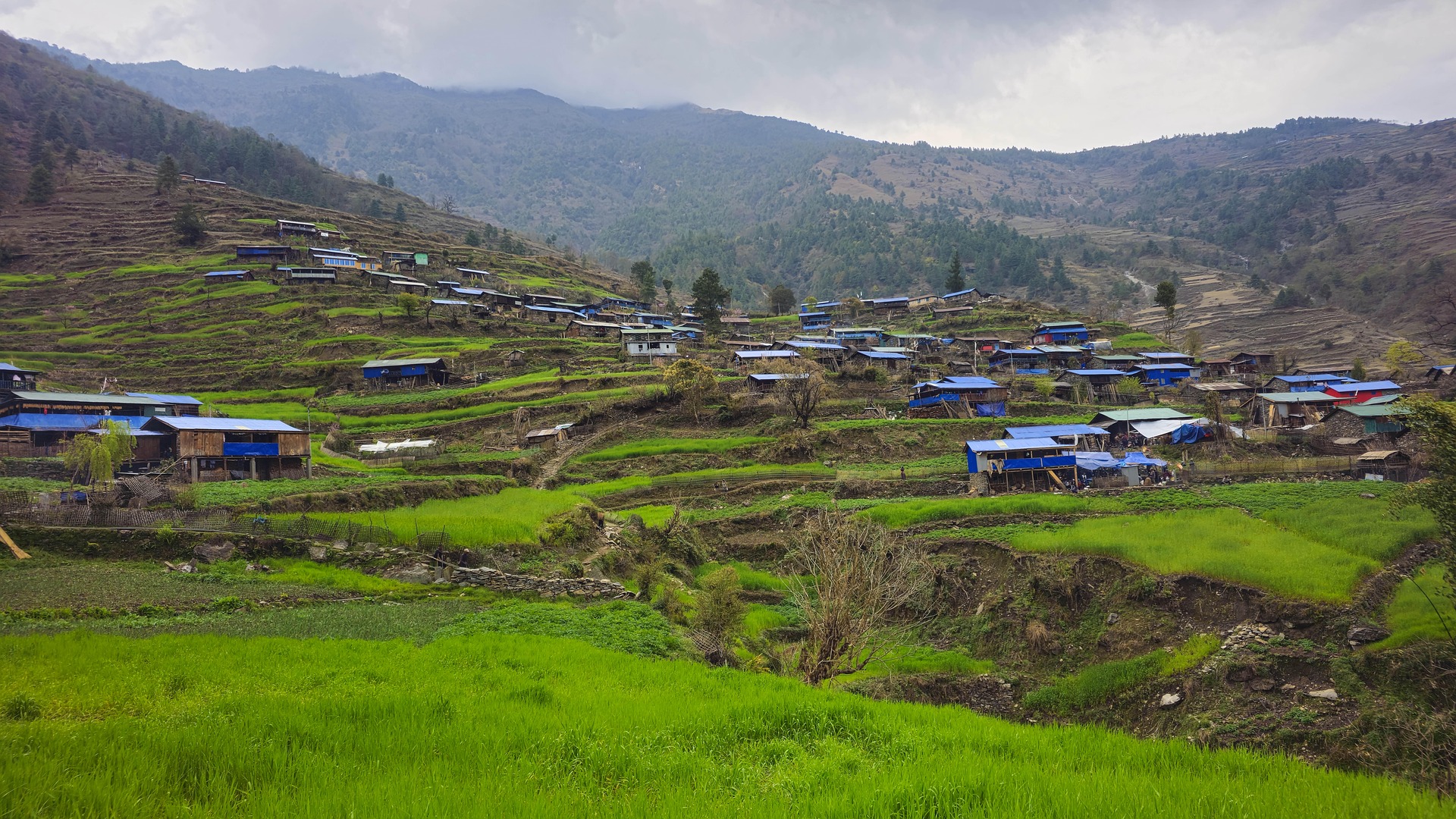
Nepal is much more than the gateway to the Himalayas. Its ancient temples, rich cultural diversity, and unique landscapes make it one of the most fascinating destinations in Asia. But before planning your trip, it is worth understanding what the weather in Nepal is like, as the climate varies enormously depending on the time of year and the region of the country.
If you are still arranging your entry formalities, check out our guide on the entry requirements for Nepal, where you will find all the information on visa, passport, and required documentation.
Weather in Nepal: what the climate is like
Nepal lies at a subtropical latitude, but its extraordinarily mountainous terrain means the climate varies dramatically depending on altitude and region. The humid heat of the Terai lowlands is nothing like the sub-zero temperatures of the high-mountain passes.
In Kathmandu, the capital, winter temperatures range between 46°F and 68°F (8°C and 20°C), while summer temperatures hover between 59°F and 84°F (15°C and 29°C). During the monsoon season, from mid-June to mid-September, humidity is very high and rainfall can be torrential.
What is the best time to visit Nepal?
The most recommended seasons are spring (March to May) and fall (September to November). During these months the weather is stable, skies are clear, and the Himalayan views are spectacular.
Spring (March to May)
Spring is one of the most vibrant times to travel to Nepal. The country comes alive with hillsides covered in blooming rhododendrons and pleasant temperatures that make this the ideal time to explore the Annapurna Base Camp or the Manaslu Circuit. It is also expedition season for Everest and other peaks above 26,000 feet (8,000 m).
Fall (September to November)
After the monsoon retreats, the country transforms into a clean, vibrant landscape where the air turns fresh and the mountains reappear with stunning clarity. October is the best month to visit Nepal: the trails are dry, visibility is perfect, and the cultural atmosphere reaches its peak with the Dashain and Tihar festivals.
Monsoon season (June to September)
Although trekking becomes difficult on most routes, the monsoon has its advantages: fewer tourists, lower prices, and lush green landscapes. It is a good season for cultural tourism and for those seeking peace and quiet. The Mustang and Dolpo regions, sheltered by the Himalayan rain shadow, remain accessible and are excellent destinations during this time.
Winter (December to February)
Winter is cold at high altitudes, with possible snowfall at mountain passes, but it can be a good option for lower-altitude trekking and for those looking to avoid the crowds. Skies are usually clear and visibility is excellent, making it an ideal time to fly over the Himalayas in a small plane and take in the snow-capped peaks from the air.
Must-see festivals and events in Nepal
Nepal has one of the highest densities of festivals in the world, with Hindu, Buddhist, and Newar celebrations overlapping throughout the year. Here are the highlights for travelers:
Holi (March)
Holi 2026 is celebrated on March 3rd. It is an explosion of colored powders, water balloons, music, and collective joy that marks the arrival of spring. It is one of the most participatory festivals in Nepal, where visitors are welcome to join in the celebration.

Dashain (September–October)
From September 30th to October 12th, the Dashain Festival is celebrated — Nepal's longest and most beloved holiday. It commemorates the goddess Durga's victory over evil and is celebrated with kite flying, traditional dishes, family blessings, and traditional ornaments. It is the moment when all of Nepal comes together.
Tihar, the festival of lights (October–November)
The Tihar Festival 2026 takes place from October 30th to November 3rd. This five-day festival is possibly the most photogenic time to be in Nepal: as night falls, the entire Kathmandu Valley transforms into a sea of oil lamps and lights meant to guide Laxmi, the goddess of wealth, into people's homes. Each day is dedicated to honoring a different being: crows, dogs, cows, and on the final day, brothers.
Indra Jatra (September)
A festival in honor of the god Indra that fills the streets of Kathmandu with dances featuring masks of gods and demons. It also includes the procession of the Kumari, the living goddess considered the embodiment of the goddess Durga, who travels through the city in a ceremonial chariot.
Kartik Naach (October–November)
A festival of traditional dances and theater that recounts episodes from the life of the god Vishnu. It takes place at the 17th-century Patan Palace, a UNESCO World Heritage Site, making it a unique cultural and historical experience.
What to pack depending on the season
- Temperatures change a lot throughout the day and with altitude. Pack layers so you can adjust easily.
- Air pollution in Kathmandu can be high; a face mask will help you avoid respiratory discomfort.
- Nepalese society is quite conservative. It is recommended to wear clothing that covers shoulders and knees, especially when visiting temples.
- Never point your feet at other people or religious images; it is considered a serious insult.
- During the monsoon, bring waterproof footwear and quick-dry clothing.