
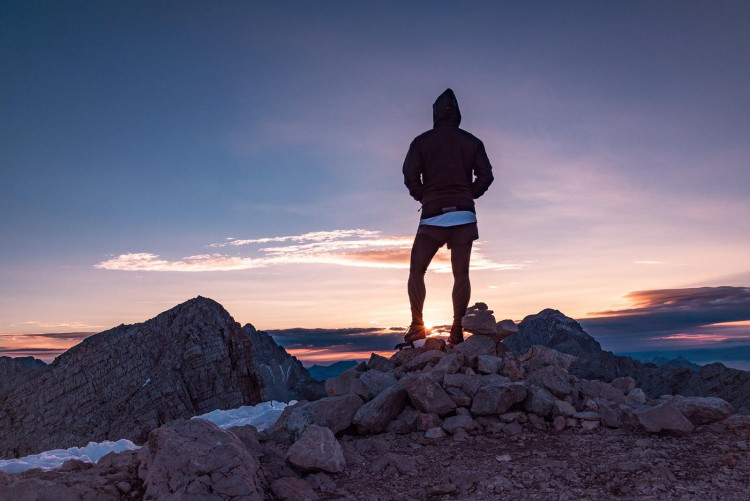
Nepal is the world's trekking mecca. With seven of the highest peaks on the planet, including Everest, the country offers some of the most spectacular trekking routes in the world. Whether you are an experienced mountaineer or embarking on your first high-altitude adventure, Nepal has an itinerary for you.
In this guide you will find the best trekking routes in Nepal, with information on duration, difficulty, and what you need to prepare before your trip, including the Nepal visa, which you can apply for online from home through Visagov.
Comparison of the best trekking routes in Nepal
Below you will find a summary of the most popular trekking routes in Nepal, with key details to help you choose the one that best fits your level and availability.
Everest Base Camp
- Duration: 12–14 days
- Difficulty: High
- Maximum altitude: 17,598 ft (5,364 m)
- Guide: Recommended
Langtang Valley
- Duration: 7–12 days
- Difficulty: Moderate
- Maximum altitude: 16,352 ft (4,984 m)
- Guide: Not required
Annapurna Circuit
- Duration: 12–18 days
- Difficulty: Moderate to high
- Maximum altitude: 17,769 ft (5,416 m)
- Guide: Not required
Poon Hill
- Duration: 4–7 days
- Difficulty: Low to moderate
- Maximum altitude: 10,531 ft (3,210 m)
- Guide: Not required
Mustang Kingdom
- Duration: 14–20 days
- Difficulty: High
- Maximum altitude: 13,123 ft (4,000 m)
- Guide: Required
Manaslu Circuit
- Duration: 14–17 days
- Difficulty: High
- Maximum altitude: 16,929 ft (5,160 m)
- Guide: Required
Gokyo Lakes
- Duration: 10–12 days
- Difficulty: Moderate to high
- Maximum altitude: 17,575 ft (5,357 m)
- Guide: Not required
Pikey Peak
- Duration: 7 days
- Difficulty: Moderate
- Maximum altitude: 13,336 ft (4,065 m)
- Guide: Not required
Everest Base Camp: Nepal's most iconic trek
The Everest Base Camp trek is, without a doubt, the most famous in the world. Reaching the 17,598 feet of altitude where mountaineers prepare to summit the highest peak on earth is an experience that few adventures can match.
Contrary to what many believe, you don't need to be a professional mountaineer to complete it, although good physical fitness and, above all, respecting acclimatization times are essential. It is recommended to plan at least 12 days to complete the route safely. The trail is well marked and frequented by many hikers, though hiring a local guide is always the safest and most rewarding option.

Langtang Valley: nature and Buddhist culture at a moderate pace
The Langtang Valley trek is ideal for those looking for a combination of varied scenery and cultural experience without tackling the most demanding routes. With a duration of between 7 and 12 days, the trail crosses lush forests, alpine meadows, and glaciers, while offering a close look at Nepalese rural life and the region's Buddhist culture.
It is one of the most accessible routes from Kathmandu, making it an excellent option for those with limited time who still want an authentic experience in the Himalayas.
Annapurna Circuit: over 155 miles around the eight-thousanders
The Annapurna Circuit is considered by many mountaineers to be the most complete trek in Nepal. With over 155 miles of trail around 26,000-foot peaks and a duration of 12 to 18 days, it is a moderate-to-high difficulty route that rewards trekkers with landscapes of extraordinary grandeur.
For those looking for a more accessible version, the Ghandruk Trek covers the lower Annapurna area in 3 or 4 days. Tea plantations, traditional villages, and stunning Himalayan views without the need for exhaustive physical preparation.

Poon Hill: the short route with the best views of the Himalayas
If you have limited time but don't want to miss the Himalayan views, Poon Hill is your route. With a duration of 4 to 7 days and a low-to-moderate difficulty level, it is perfect for hikers with basic experience. From the summit, at 10,531 feet, you can take in panoramic views of the Annapurna, Dhaulagiri, and other Himalayan giants.
Mustang Kingdom: a remote trek with untouched Tibetan culture
Hidden behind the Himalayan range and isolated from the world for centuries, the ancient Kingdom of Mustang is one of the most unique trekking destinations in Nepal. Its arid, lunar landscape, Buddhist monasteries, and adobe villages preserve an almost untouched culture and geography, making it a one-of-a-kind experience.
The route takes 14 to 20 days and is one of the most expensive, as it requires a special permit and a mandatory guide. If you're looking for authenticity and don't mind investing more, Mustang is worth every penny.
Manaslu Circuit: the most challenging route for advanced trekkers
Mount Manaslu is the eighth-highest mountain in the world, and the circuit surrounding it is one of the most challenging and least crowded treks in Nepal. With high difficulty and a duration of approximately 15 days, it is reserved for hikers with prior high-altitude experience.
Nepalese regulations require one guide for every two trekkers. In return, the circuit offers exceptional landscape diversity and the feeling of venturing into a Nepal still largely unexplored by mass tourism.
Gokyo Lakes: the remote alternative to Everest Base Camp
If you want to enjoy the Everest area away from the crowds, the Gokyo Lakes are your best alternative. This much less frequented route combines the beauty of intensely blue glacial lakes with panoramic views of some of the highest peaks on the planet. It is completed in 10 to 12 days and a guide is not required, though recommended.
Pikey Peak: Everest panorama without the big effort
Pikey Peak offers one of the most impressive panoramic views of Everest in Nepal with moderate difficulty. In 7 days and without the need for exhaustive physical preparation, this route is perfect for those who want to take in the "roof of the world" without tackling the challenges of the longer routes. Being less crowded, it allows you to enjoy the mountains with greater peace and quiet.
How to get physically ready for trekking in Nepal

Physical preparation is essential to safely enjoy trekking in Nepal, regardless of your experience level. The more demanding the chosen route, the more lead time your training requires.
For the most intense routes — Everest, Manaslu, or Mustang — experts recommend starting to train at least six months in advance. The goal is to improve cardiovascular endurance and strengthen leg muscles, abilities that take a long time to develop.
A good training routine includes walking between 1 and 3 hours a day, starting on flat terrain and gradually progressing to steeper inclines. It is also important to get used to carrying weight in your backpack gradually, working up to carrying around 33 lbs (15 kg) comfortably.
For low-to-moderate difficulty routes like Poon Hill or Pikey Peak, such specific preparation is not necessary, although it is advisable to be used to long hikes with elevation gain and carrying weight on your back.
Don't forget to apply for your Nepal visa
Before embarking on your adventure, remember that Nepal requires a visa for most nationalities. To avoid the lines at Kathmandu airport, you can apply for your Nepal eVisa quickly and securely through Visagov. Available in 15, 30, and 90-day options depending on the length of your trip.
Have questions about entry requirements? Check out our guide on what you need to travel to Nepal or on how to get a Nepal visa step by step.