
Benin is one of the most authentic destinations in West Africa. Located between Togo to the west, Nigeria to the east and Burkina Faso and Niger to the north, this French-speaking country combines vibrant culture, wild nature and deep history. Here are the best places to visit in Benin.
Porto-Novo, the Capital of Benin
A City of Rich Cultural Tradition
Porto-Novo is the usual setting for collective celebrations such as weddings, births and funerals, experienced in the streets with traditional music and dances. A unique opportunity to immerse yourself in the most authentic Beninese culture.
The city center also invites leisurely walks with visits to places such as the Alexandre Sènou Adandé Ethnographic Museum or the Songhaï Agroecological Center.

Afro-Brazilian Architecture Unique in Africa
Porto-Novo preserves a remarkable collection of colonial buildings in the Afro-Brazilian style, built by descendants of slaves who returned from Brazil. It is one of the few cities on the continent where this architecture has been preserved, visible especially in public buildings and institutions. The most emblematic is the Grand Mosque, whose resemblance to the church of Salvador de Bahia is striking.
Crafts and Local Markets
Porto-Novo is also a destination for craft lovers. You can visit rattan furniture workshops, traditional blacksmith shops and meet artists specializing in wood carving, a great way to take home a piece full of history.
Cotonou: The Economic Heart of Benin
Although Cotonou is not the official capital, it is the largest and most dynamic city in the country. For first-time visitors, it is almost always the entry point and deserves at least a day's visit before continuing the journey.
Its main attraction is the Dantokpa Market, one of the largest open-air markets in West Africa, where craft stalls, textiles, spices and local products coexist in a vibrant and unmatched atmosphere. It is also worth strolling through the Amazon Statue neighborhood, symbol of the resistance of the Kingdom of Dahomey, and visiting the Cathedral of Our Lady of Mercy, with its striking red and white facade.
If you are planning to visit Cotonou, you will find all the information you need to make the most of the city on our blog.
Ganvié: The Venice of Africa
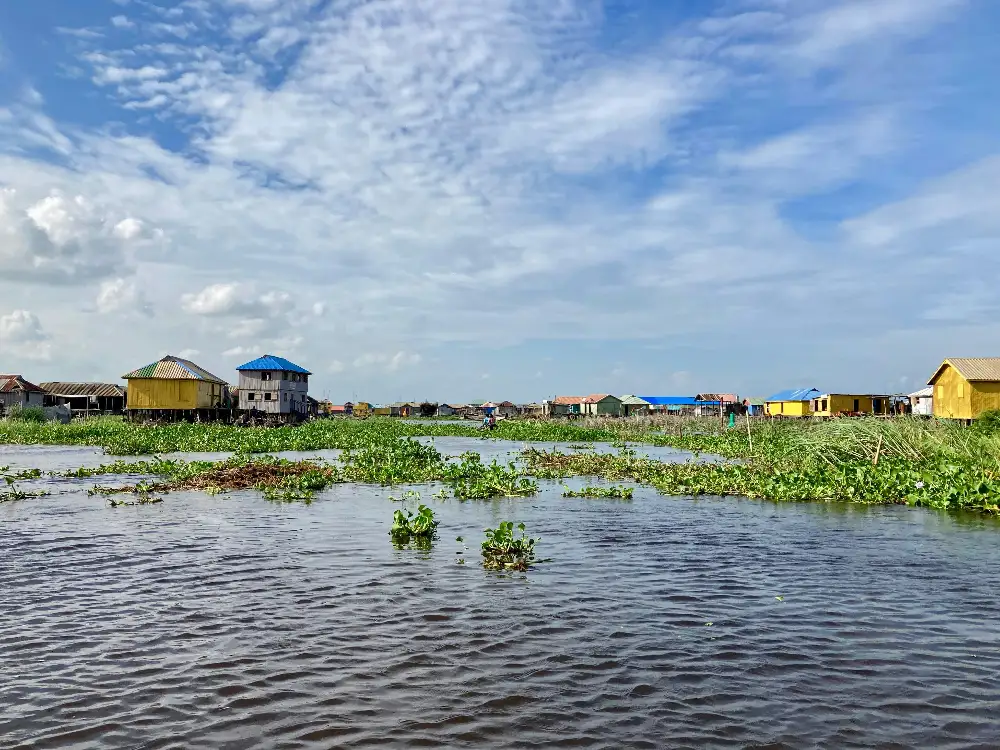
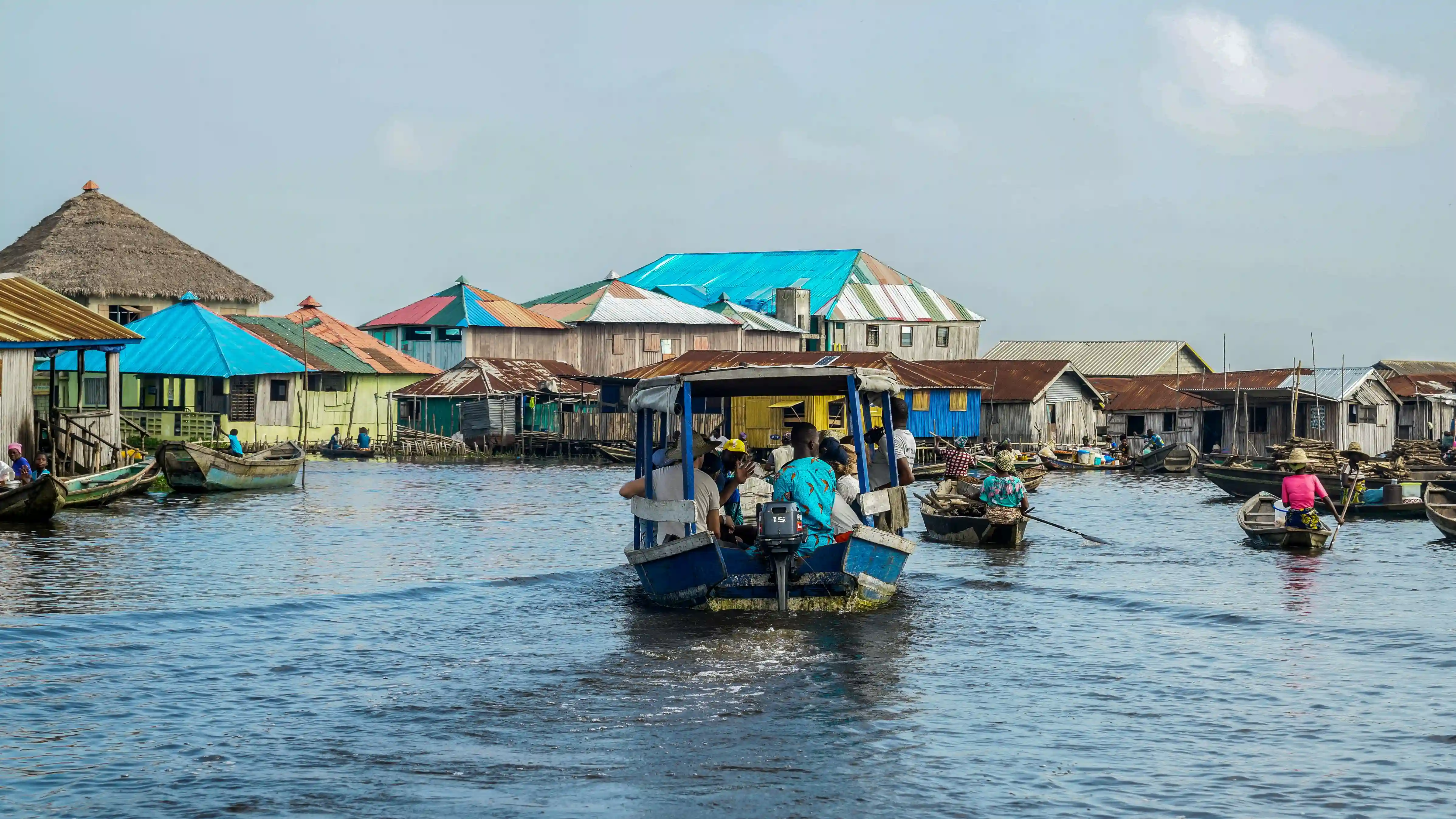
Ganvié is one of the most surprising and most photographed places in Benin. It is a lake village built entirely on Lake Nokoué, a few kilometers from Cotonou, where the Tofinu people have lived for centuries in bamboo houses raised on stilts.
The only way to explore it is by dugout canoe, which makes the visit a completely different experience from anything else you can see in the country. Its inhabitants fish, trade and get around by canoe, maintaining a way of life unique in the world.
The best time to visit is early in the morning, when the activity of the floating market is at its peak and the light on the lake is particularly beautiful.
Abomey: The Royal Palaces of Dahomey
Abomey was the capital of the powerful Kingdom of Dahomey, which ruled the region between the 17th and 19th centuries. Today, its royal palaces are a UNESCO World Heritage Site and one of the great historical attractions of West Africa.
The complex houses the palaces of twelve kings, built in red adobe with an architecture dedicated to the voodoo gods. Inside, royal thrones, statues, bas-reliefs and ceremonial objects are preserved, narrating the history of one of the most powerful dynasties on the continent.
A guided tour is the best way to understand the historical context, especially the bas-reliefs that cover the walls and served as a visual chronicle of the kingdom.
Ouidah: History, Memory and Voodoo
The City Marked by the Slave Trade
Ouidah is the place where the history of the slave trade between the 17th and 19th centuries left its most visible marks in Benin. From its beach, thousands of people departed for the colonies of the Caribbean, and today the city preserves that memory with dignity and respect.
The Ouidah Historical Museum
Housed in the former Portuguese Fort, the Ouidah Historical Museum traces the history of the region through collections on the Kingdom of Xwéda, the Kingdom of Dahomey, the slave trade, the cultural ties between Benin and the New World and the voodoo tradition.
The Gate of No Return and the Slave Route
The Slave Route is a 4 km path that retraces the journey taken by slaves to the beach where they boarded the slave ships. Along the route you will find the Tree of Forgetting, around which slaves walked to forget their origins, and the Tree of Return, planted by the King of Dahomey as a promise that the souls of the slaves would return after their death. The path culminates at the Gate of No Return, a memorial monument erected in honor of those who left Benin forever, facing the ocean.
The Temple of Pythons
In Ouidah there is also one of the most singular temples in the country, dedicated to Dangbé, the voodoo deity represented as a snake. Inside, dozens of royal pythons considered sacred animals live together, which visitors can observe and touch under the supervision of the temple priest. A striking experience that perfectly illustrates the depth of the voodoo tradition in Benin.
Grand Popo: Beaches and Voodoo on the Coast
If you are looking for a combination of relaxation and culture, Grand Popo is a stop you should not skip. This small coastal town in the southwest of the country offers some of the most peaceful and unspoiled beaches in Benin, with fine sand, coconut palms and very few tourists.
Beyond its beaches, Grand Popo is one of the places where you are most likely to witness an authentic voodoo ceremony, something that in Benin is part of everyday life and not of the tourism industry. An experience you will hardly find at any other destination in the world.
The Atacora Mountain Range: Nature and Culture in the North
In the northwest of Benin, the Atacora Mountain Range offers a completely different landscape from the south of the country: mountains, green valleys and traditional villages far from mass tourism.
This area is the territory of the Somba people, known for their peculiar constructions called tata somba, multi-story fortress houses built in clay that served as protection against invaders. Also declared a UNESCO World Heritage Site, they are one of the most unique examples of vernacular architecture on the continent.
The city of Natitingou is the best starting point for exploring the region, both for its accommodation options and its proximity to Pendjari National Park.
Pendjari National Park: Safari in Its Purest Form
The Pendjari Park is one of the most important nature reserves in West Africa and one of the least visited, which guarantees a truly wild experience. Declared a UNESCO Biosphere Reserve, it is home to elephants, cheetahs, crocodiles, monkeys, a wide variety of birds and the last lions of West Africa.
⚠️ Safety warning: the French government has maintained active warnings since 2019 about the presence of armed groups in certain border areas with Niger, Nigeria and Burkina Faso, including areas near Pendjari Park. Check official recommendations before planning your visit to this area.
When Is the Best Time to Visit Benin?
The best time to visit Benin is during the dry season, from November to March, when temperatures are more pleasant and conditions are ideal for tourism. If you want more information on planning your trip, check our guide to travel requirements for Benin.
Do You Need a Visa to Travel to Benin?
Yes. To enter Benin you need to obtain an e-Visa before your arrival, regardless of the reason or length of your stay. Without it, the authorities will not allow you to enter the country.
Your passport must have a minimum validity of 6 months from the date of departure from Benin. You can apply for your Benin visa online, quickly and easily. If you need more information on visa types, requirements and costs, check our complete guide to the Benin visa.