
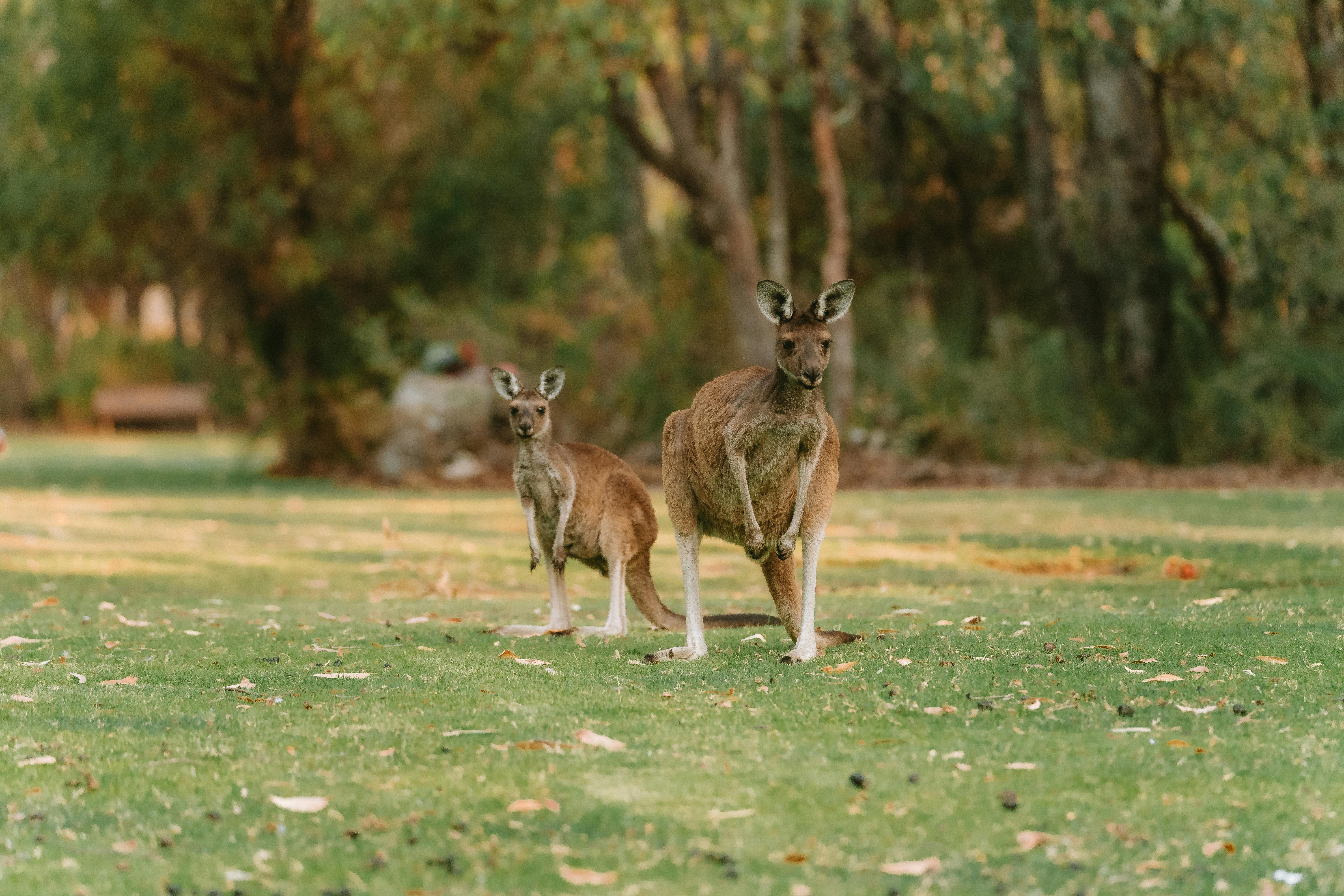
Australia is one of those destinations that has it all: cosmopolitan cities, wild nature, coral reefs, red deserts, and wildlife found nowhere else on earth. It is the only country that occupies an entire continent, and that scale is evident in the variety of experiences it offers every type of traveler. To visit, most travelers need to obtain an Australia visa in advance. Here are the places and experiences you cannot miss.
Sydney
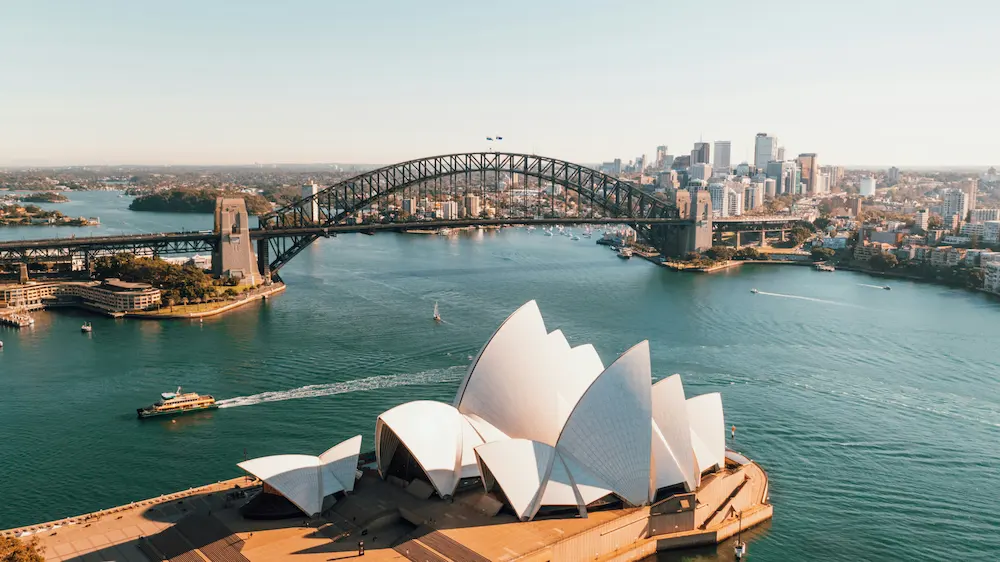
Sydney is Australia's most recognizable city and the entry point for most international travelers. Its natural harbor is one of the most spectacular in the world, and from it you can take in the country's two iconic landmarks: the Sydney Opera House, with its unmistakable sail-shaped roof designed by Danish architect Jørn Utzon, and the Harbour Bridge, the largest arch bridge in the world. Both can be explored from the inside: the Opera House offers guided tours and performances year-round, while the bridge can be climbed to the top for panoramic views of the entire city.
Beyond the big icons, Sydney deserves time to explore its neighborhoods. Bondi Beach is the country's most famous urban beach, but the coastal walk connecting it to Coogee — about 6 kilometers — is one of the most beautiful routes in all of Australia. The The Rocks neighborhood, by the harbor, preserves colonial architecture and is home to markets, galleries, and some of the oldest pubs in the country. For animal lovers, Taronga Zoo, accessible by ferry from the harbor, offers the chance to see kangaroos, koalas, and other Australian species with the city skyline as a backdrop.
One excursion not to be missed from Sydney is the trip to the Blue Mountains, less than two hours away by train. This national park of more than one million hectares of eucalyptus forest takes its name from the bluish hue the landscape takes on due to the mist of essential oils released by the trees. Its most photographed attraction is the Three Sisters, three sandstone pillars rising above the Jamison Valley, but the park also offers hiking trails for all levels and Scenic World, with a cable car, mountain railway, and elevated walkways above the forest.
Melbourne
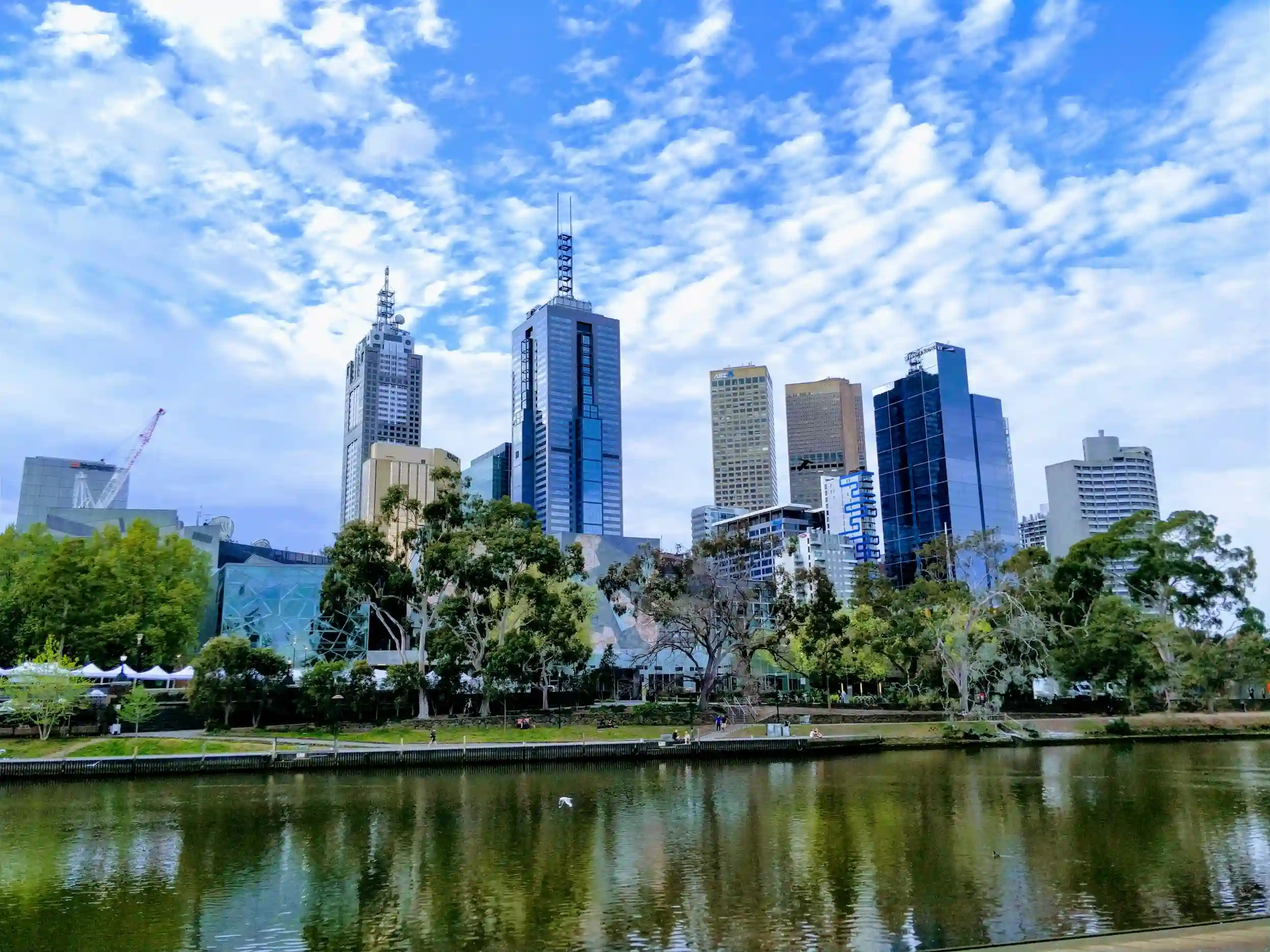
Melbourne competes with Sydney for the title of Australia's most vibrant city, and for many travelers it takes the prize. It is the cultural capital of the country: it has the most diverse food scene, the most interesting markets, and a neighborhood life that invites you to wander without a fixed destination. Its famous graffiti-covered laneways, such as Hosier Lane, have become one of the most photographed urban icons in the country.
Queen Victoria Market, open since 1878, is one of the largest open-air markets in the Southern Hemisphere and a must-stop for sampling local food. The Fitzroy neighborhood concentrates the city's creative scene, with independent galleries, restaurants from around the world, and design stores. For art lovers, the National Gallery of Victoria is the most visited art museum in Australia.
Melbourne is also the starting point of the Great Ocean Road, one of the most spectacular coastal drives in the world. This 243-kilometer road runs along the Indian Ocean and culminates at the Twelve Apostles, enormous limestone pillars rising from the sea that can only be viewed from designated lookout points, as beach access is restricted to preserve them. The full route requires at least two days to enjoy at a leisurely pace.
The Great Barrier Reef
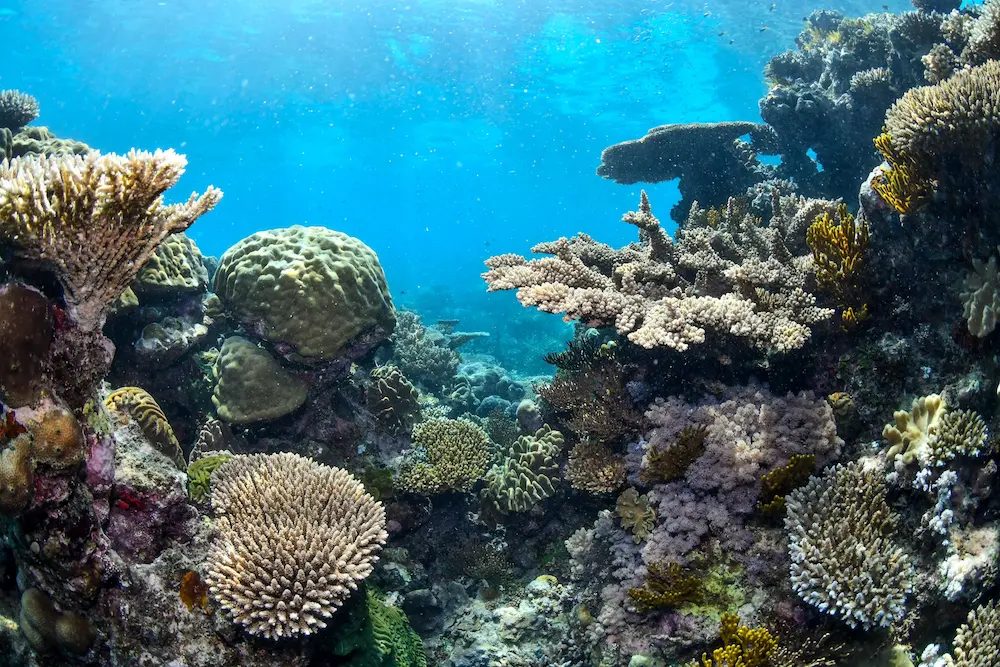
The Great Barrier Reef is the largest reef system in the world and one of the most extraordinary natural wonders on the planet. Declared a UNESCO World Heritage Site, it stretches more than 2,300 kilometers along the coast of Queensland and is home to more than 1,500 species of fish, sea turtles, reef sharks, manta rays, and a diversity of corals unmatched anywhere else in the world.
The most common base for visiting it is Cairns, known as the gateway to the reef. Daily boat excursions depart from here to the outer reef, including snorkeling, certified diving, and options for non-swimmers such as glass-bottom boats and semi-submersible observatories. No prior experience is needed: with a simple snorkel and mask you gain access to a visual spectacle that is hard to match. For a more exclusive experience, Port Douglas, 70 kilometers north of Cairns, offers direct access to the Agincourt Reef, one of the most pristine and least crowded sections of the system.
The best time to visit the Great Barrier Reef is between June and October, when the weather is dry, the waters are calmer, and underwater visibility is at its best. Between November and May, the rainy season can affect conditions, though snorkeling is still possible with good results if lycra suits are worn due to the presence of jellyfish.
Uluru
Uluru, also known as Ayers Rock, is far more than a rock in the middle of the desert. It is the spiritual heart of Australia and one of the most sacred places for the Anangu people, the traditional owners of this land for more than 30,000 years. This red sandstone monolith, 348 meters high and nearly 10 kilometers in circumference, changes color throughout the day — from ochre to deep orange at sunrise and vivid red at sunset — creating one of the most memorable natural spectacles in the country.
Uluru is part of Uluru-Kata Tjuta National Park, which also includes the Kata Tjuta formation, a group of 36 equally impressive rock domes about 50 kilometers away. Climbing Uluru has been prohibited since 2019, in respect of its spiritual significance to the Anangu. The most recommended experience is the 10-kilometer perimeter walk around the monolith, which can be done self-guided or with local guides who share the history and worldview of the Anangu people. Sunrise and sunset are the times of day when the colors are most intense and the experience most powerful.
The nearest town to Uluru is Yulara, where all accommodation in the area is located. Getting there requires a flight from Sydney, Melbourne, or Cairns to Ayers Rock Airport, as the road distance from any city is several hundred kilometers.
Daintree Rainforest
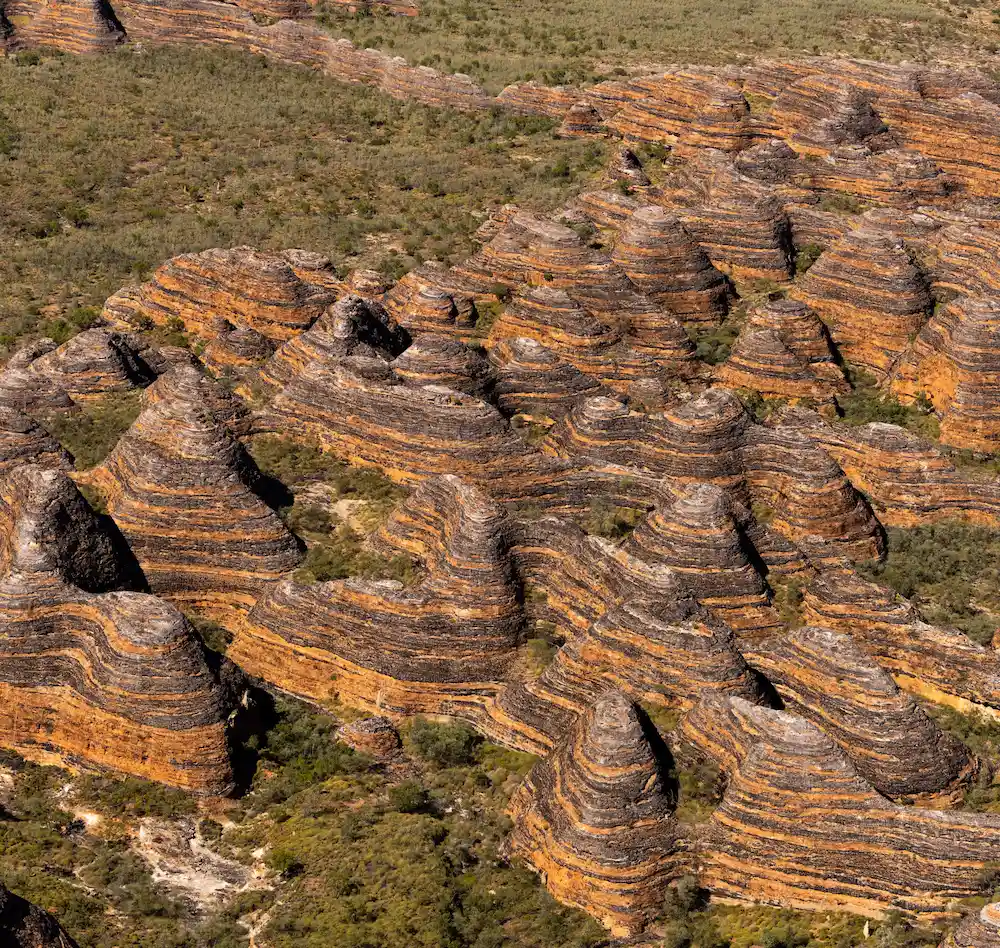
The Daintree Rainforest, in northern Queensland, is one of the oldest rainforests in the world, with more than 180 million years of history. Declared a UNESCO World Heritage Site, it is the only place on earth where two of these ecosystems meet face to face: the tropical jungle reaches all the way to the beach sand, with no transition in between.
Its most iconic spot is Cape Tribulation, where the jungle vegetation descends directly onto a white sand beach bordered by the coral sea. Access to the park requires crossing the Daintree River by ferry, which adds an element of adventure to the journey. The park is home to endemic species such as the cassowary, a large flightless prehistoric bird that can be spotted with some regularity on the park's trails, as well as dozens of species of reptiles and marsupials found nowhere else in the world. The best time to visit is between May and October, before tropical rains and box jellyfish make the experience less enjoyable.
The Whitsundays
The Whitsundays are an archipelago of 74 islands located in the heart of the Great Barrier Reef, in Queensland. Their best-known attraction is Whitehaven Beach, a 7-kilometer stretch of silica sand so pure and white that it does not burn underfoot in the sun, and which consistently appears on lists of the world's best beaches. From the Hill Inlet lookout you get Australia's most photographed view: the swirl of white sand and turquoise water formed by the tide as it enters the bay is one of those landscapes that looks edited but is completely real.
The most popular way to explore the archipelago is by sailboat or catamaran, spending nights on different islands and combining reef snorkeling with virtually deserted beaches. The usual base for organizing these excursions is Airlie Beach, a lively coastal town with a good range of accommodation and tour operators at all price points.
Tasmania
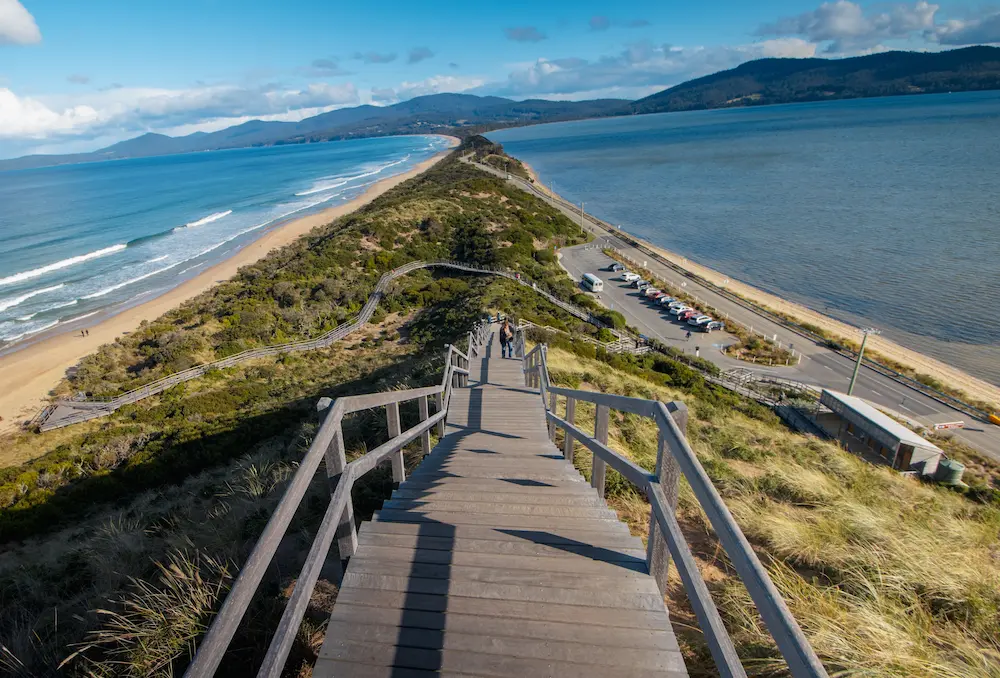
Tasmania is an island to the south of the mainland with its own identity, very different from the rest of Australia. It has the cleanest air in the world, one of the highest concentrations of marsupials on the planet, and landscapes that range from the paradise beaches of Bay of Fires to the peaks of Cradle Mountain National Park, taking in the spectacular Tasman Peninsula with its cliffs and coastal caves along the way. Its capital, Hobart, is home to MONA, one of the most original contemporary art museums in the world, carved underground into the rock.
Tasmania deserves at least three or four days to explore at a leisurely pace.
Brisbane and the Gold Coast
Brisbane is the capital of Queensland and a city in full tourist bloom. Modern, sunny, and centered around the Brisbane River, it offers a growing cultural and food scene that has made it a destination in its own right, beyond its historical role as a gateway to the Great Barrier Reef or the Whitsundays. South Bank Parklands, an urban park along the river with artificial freshwater beaches, is one of the most unique public spaces in Australia.
Less than an hour from Brisbane stretches the Gold Coast, with its surf beaches, theme parks, and nightlife that draws travelers from across Australia. In the opposite direction, the Sunshine Coast offers a more relaxed atmosphere, with less crowded beaches and Noosa National Park, where koalas can frequently be spotted in their natural habitat.
Perth and Western Australia
Perth is the most isolated city in the world: it is closer to Singapore than to Sydney. This remoteness has given it a personality of its own, with a more relaxed pace, exceptionally good urban beaches, and a wine scene in the Margaret River region, three hours to the south, that rivals the best in the country.
From Perth you can also access some of Australia's lesser-known natural wonders: the Pinnacles of Nambung National Park, thousands of limestone columns rising from the desert like a petrified army, and the Abrolhos Islands, an archipelago with pristine coral reefs and sea lion colonies accessible by flight from the city.
Ready to plan your trip? Apply for your Australia visa with Visagov before you book.