
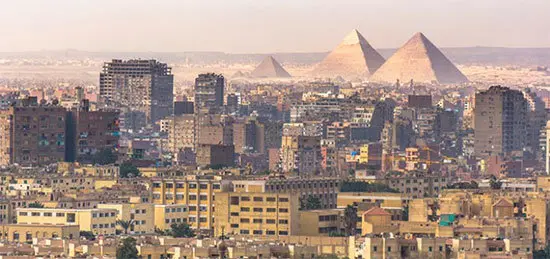
Egypt is one of the most fascinating destinations in the world: pyramids, temples, Nile cruises, deserts, bazaars and cities with thousands of years of history. But before booking flights or choosing a tour, it is normal to ask: is it safe to travel to Egypt right now?
The short answer is: yes, Egypt can be a safe destination for tourists if you visit the usual tourist areas, travel with common sense and avoid the areas advised against by official authorities. As in other countries with certain regional tensions, safety depends largely on the itinerary, the type of trip and the precautions you take.
As of May 14, 2026, the UK government maintains warnings for certain areas of Egypt and reminds travelers that no travel advice can guarantee absolute safety. It also recommends taking out insurance that is suitable for your itinerary and planned activities.
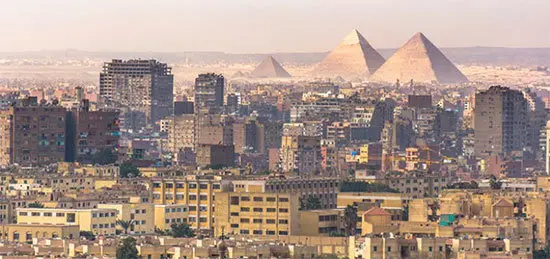
Is it safe to travel to Egypt for tourism?
For most travelers, classic tourist routes usually take place in well-monitored areas that are prepared to receive visitors. The most common destinations include:
-
Cairo and the Pyramids of Giza.
-
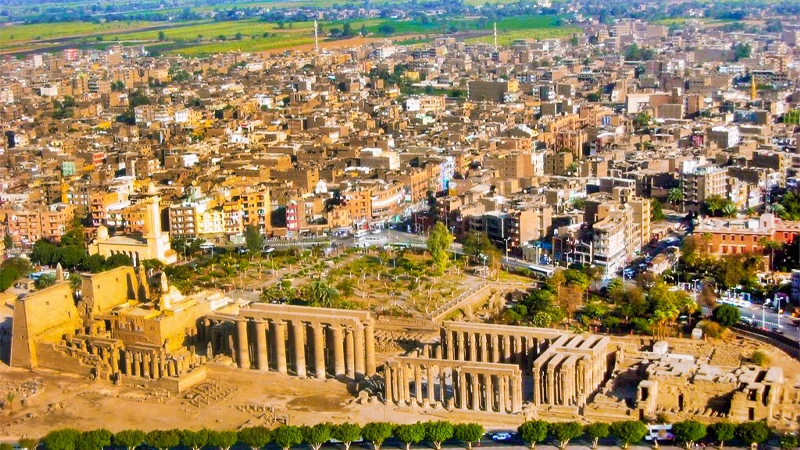
Luxor and the Valley of the Kings.
-
Aswan and Abu Simbel.
-
Nile cruises.
-
Red Sea resorts such as Hurghada or Sharm El Sheikh.
-
Organized excursions to temples and archaeological sites.
In these areas, tourism is an important part of the economy and there is usually a police presence, as well as security checks at hotels, airports, monuments and tourist sites. Even so, it is advisable to remain cautious, especially in crowded places, markets, stations and transport areas.
The United States classifies Egypt as Level 2, meaning travelers should “exercise increased caution”, due to risks related to terrorism, crime and health, and indicates that some areas present higher risks.
Areas of Egypt you should avoid
Although many tourist areas can be visited, there are regions where international authorities recommend not traveling or doing so only if absolutely necessary.
Areas that usually require greater caution include:
-
North and central Sinai Peninsula, due to the risk of terrorism.
-
Border areas, especially near Libya, Sudan, Gaza or military zones.
-
Parts of the Western Desert, except for specific routes with authorized agencies.
-
Areas close to military or security facilities.
-
Places where demonstrations or political gatherings are taking place.
The U.S. Department of State recommends not traveling to north and central Sinai, to the Western Desert except with authorized professional operators, or to Egyptian border areas due to security risks and military zones.
The UK FCDO also advises against all travel to north Sinai and within 20 km of the Egypt-Libya border —with a partial exception for El Salloum— and advises against all but essential travel to certain areas of south Sinai, eastern Ismailiyah, the Western Desert and other sensitive areas.
Is it safe to travel to Cairo?
Cairo is an intense, chaotic and huge city. For tourists, it can feel overwhelming at first, but it is not necessarily dangerous if basic precautions are taken.
The most common situations include heavy traffic, persistent vendors, minor attempts at overcharging, taxis negotiating fares or unofficial guides around monuments and bazaars. The most common risk is usually not violence, but rather the typical inconveniences of very touristy destinations.
To move around Cairo with greater peace of mind:
-
Use transport recommended by your hotel, ride-hailing apps or trusted drivers.
-
Agree on prices before getting into a taxi if it does not use a meter.
-
Avoid showing large amounts of money.
-
Do not accept unsolicited help in tourist areas if it later involves a compulsory tip.
-
Keep an eye on your bag, phone and documents in markets and crowded places.
U.S. authorities state that the most common crimes against foreigners are crimes of opportunity, such as theft and pickpocketing, and also warn of scams and overcharging in tourist areas.
Is it safe to travel to Luxor, Aswan and take a Nile cruise?
Luxor, Aswan and Nile cruises are part of Egypt’s most popular tourist itineraries. In general, these are areas prepared for visitors and supported by a well-established tourism infrastructure.
Traveling on an organized cruise can be a comfortable and safe way to visit temples such as Karnak, Luxor, Edfu, Kom Ombo or Philae. Transfers are usually coordinated, schedules are clear and many excursions are carried out with local guides.
Even so, it is recommended to:
-
Book excursions with reliable agencies.
-
Confirm what is included and what is not.
-
Carry bottled water.
-
Avoid improvised excursions with unaccredited people.
-
Be careful with heatstroke, especially between May and September.
Safety for women traveling to Egypt
Women can travel to Egypt, both alone and accompanied, but it is important to take into account certain cultural differences and possible uncomfortable situations, especially in busy streets, markets or transport.
There may be stares, comments or persistent vendors. In general, dressing respectfully according to the local context helps reduce unwanted attention, especially outside hotels and beach areas.
Practical tips:
-
Keep shoulders and knees covered in mosques, traditional neighborhoods and less touristy areas.
-
Avoid walking alone at night in unfamiliar areas.
-
Use taxis or trusted transport for nighttime journeys.
-
Respond firmly and keep walking when faced with persistent vendors.
-
Stay in well-rated hotels located in safe areas.
The U.S. Department of State warns that harassment of women, including foreign women, can be a problem in Egypt.
Most common risks for tourists in Egypt
Beyond higher-risk areas, the most frequent problems for tourists are usually everyday issues that can be avoided:
1. Scams and overcharging
In markets, taxis, excursions or souvenir shops, it is common for tourists to be charged more. Bargaining is part of the commercial culture, but it is always advisable to agree on the price before accepting a service.
2. Pickpocketing in crowded areas
As in many tourist destinations, you should watch your bags, backpacks and phones in bazaars, stations, monument entrances and busy streets.
3. Digestive problems
Changes in water, food, spices and temperature can have an effect. Drink bottled water, avoid ice if you do not know where it comes from and choose restaurants with good customer turnover.
4. Heat and dehydration
Egypt can reach very high temperatures, especially in the south. Wear a cap, use sunscreen and always carry water.
5. Traffic
Traffic in Cairo can be chaotic. Cross streets very carefully and avoid renting a car if you do not know the country well.
Tips for traveling safely to Egypt
To reduce risks and enjoy your trip more, keep these recommendations in mind:
-
Check official travel advice before traveling. The regional situation can change and some borders may close at short notice, as the FCDO warns regarding the Taba crossing between Israel and Egypt.
-
Take out comprehensive travel insurance. It should cover medical assistance, cancellation, lost luggage and, if possible, medical evacuation.
-
Avoid demonstrations and gatherings. U.S. authorities indicate that arrests can occur even for being near protests, and that demonstrations without a permit are prohibited.
-
Do not photograph official buildings, military facilities or security checkpoints. This may cause problems with the authorities.
-
Carry a copy of your passport and important documents. Keep one digital copy and one physical copy separate from the original.
-
Use authorized agencies and guides, especially for desert excursions, Abu Simbel, long routes or less common areas.
-
Stay informed during your trip. Check local media, hotel notices and updates from your embassy or foreign affairs ministry.
-
Respect local customs. Clothing, public displays of affection and behavior in religious places should adapt to the cultural context.
-
Carry cash, but do not make it too visible. Cash is used in many areas, although card payments are increasingly common in hotels and restaurants.
-
Be patient. In Egypt, bargaining, waiting times and persistent selling are part of the experience.
So, is Egypt worth visiting?
Yes, Egypt is absolutely worth visiting. It is a unique destination, home to some of the most impressive monuments on the planet and a cultural experience that is difficult to compare. The key is to prepare the trip well, choose a sensible route and avoid improvising journeys to sensitive areas.
For a classic itinerary —Cairo, Giza, Luxor, Aswan, Abu Simbel, the Nile and the Red Sea— many travelers enjoy Egypt without major problems. Even so, it should not be treated as a destination where anything goes: it is important to stay informed, take out insurance and act prudently.
Traveling to Egypt is safe for most tourists if they visit the usual tourist areas, avoid regions advised against by authorities and follow basic safety measures. It is not a risk-free destination, but it should not be ruled out because of fear if the trip is well organized.
The best recommendation is to check official advice a few days before departure, take out good insurance, plan your transfers and avoid border areas or places with active warnings. With these precautions, Egypt can be an unforgettable and relatively peaceful trip.
Frequently asked questions
Is it safe to travel to Egypt now?
Yes, for usual tourist routes it can be safe, as long as areas advised against are avoided, such as north Sinai, border areas and certain parts of the Western Desert. Before traveling, always check updated official recommendations.
Is Cairo dangerous for tourists?
Cairo is not usually dangerous for cautious tourists, but it can be chaotic. The main issues are usually related to traffic, scams, overcharging, persistent vendors and petty theft.
Is it safe to take a Nile cruise?
Yes, Nile cruises are one of the most common ways to visit Luxor, Aswan and several temples. It is advisable to book with a reliable agency and carefully check which excursions are included.
Which areas of Egypt should I avoid?
It is advisable to avoid north and central Sinai, border areas, military zones, parts of the Western Desert without an authorized operator and any place where there are protests or local tensions.
Is it safe for women to travel to Egypt?
Yes, many women travel to Egypt every year, but there may be uncomfortable situations such as stares, comments or persistence. It is advisable to dress respectfully outside beach areas, avoid walking alone at night in unfamiliar areas and use reliable transport.
Do I need travel insurance for Egypt?
Yes. It is highly recommended to take out insurance that covers medical assistance, cancellation, luggage and medical evacuation. Healthcare facilities may be limited in remote areas, according to the U.S. Department of State.
